February 5, 2026
In recent years, car wraps have emerged as a popular choice among vehicle owners seeking to enhance both the appearance and durability of their vehicles. These wraps provide a versatile solution that transforms a car’s look while adding a protective layer against common environmental threats. As interest continues to rise, selecting the right car wrap service becomes an important step for anyone who wants a finish that looks sharp and holds up over time.
The car wrap industry is thriving, driven by improved vinyl technology, better print quality, and a growing preference for personalization. According to TeckWrap, in 2025, the US automotive wrap market is projected to be about USD 2.8 billion. A wrap can deliver a dramatic change without the permanence of paint, which appeals to drivers who like flexibility and frequent style updates. Working with an experienced car wrap service helps set clear expectations around costs, timelines, and final results.
This guide walks through key decisions in the wrapping process, from wrap types and materials to evaluating providers and aftercare. By looking at the process step by step, you can make a practical choice that aligns with your goals for style, protection, and longevity. Choosing a car wrap service that understands real-world vehicle use often leads to better long-term outcomes.
Car Wrapping Fundamentals
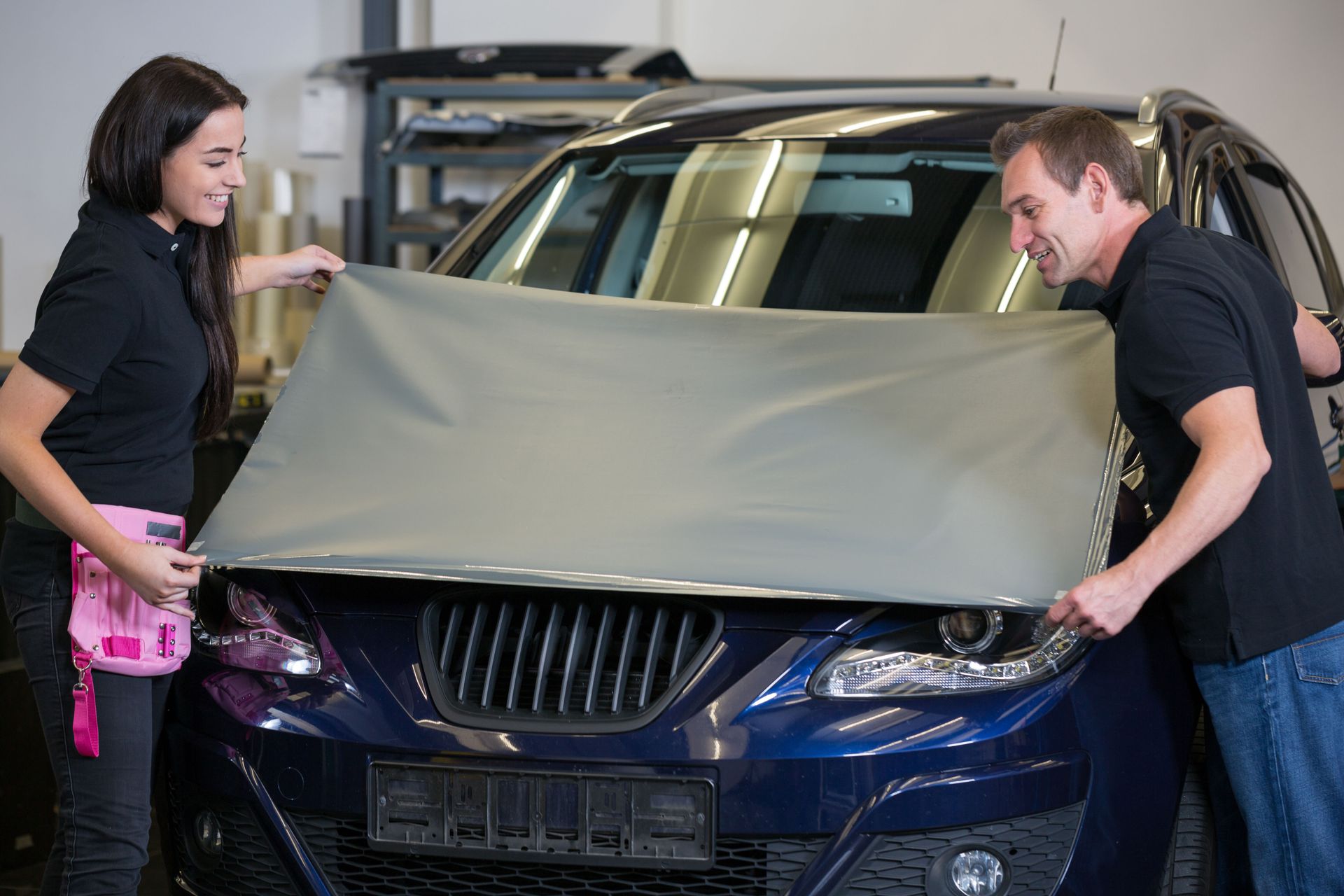
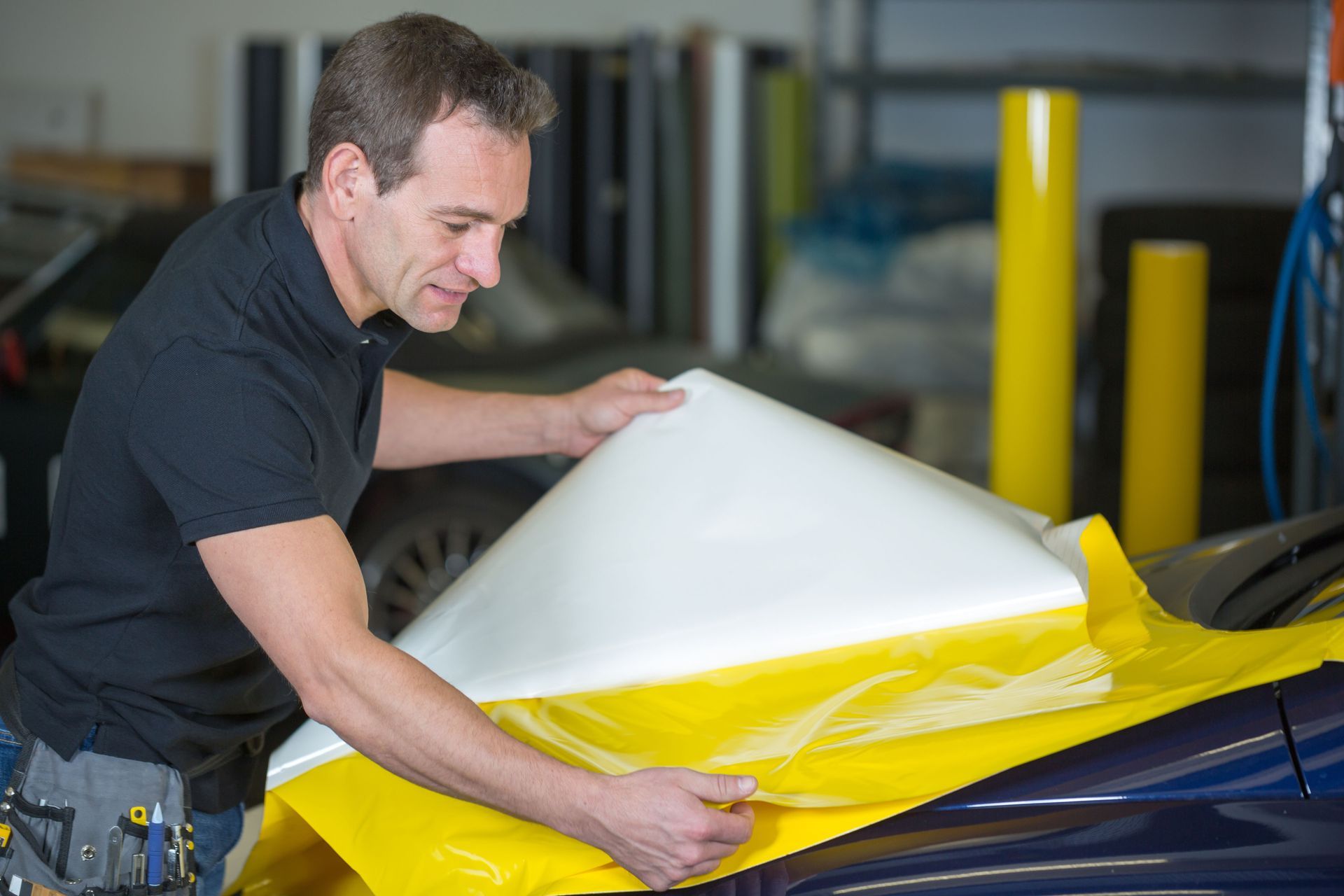
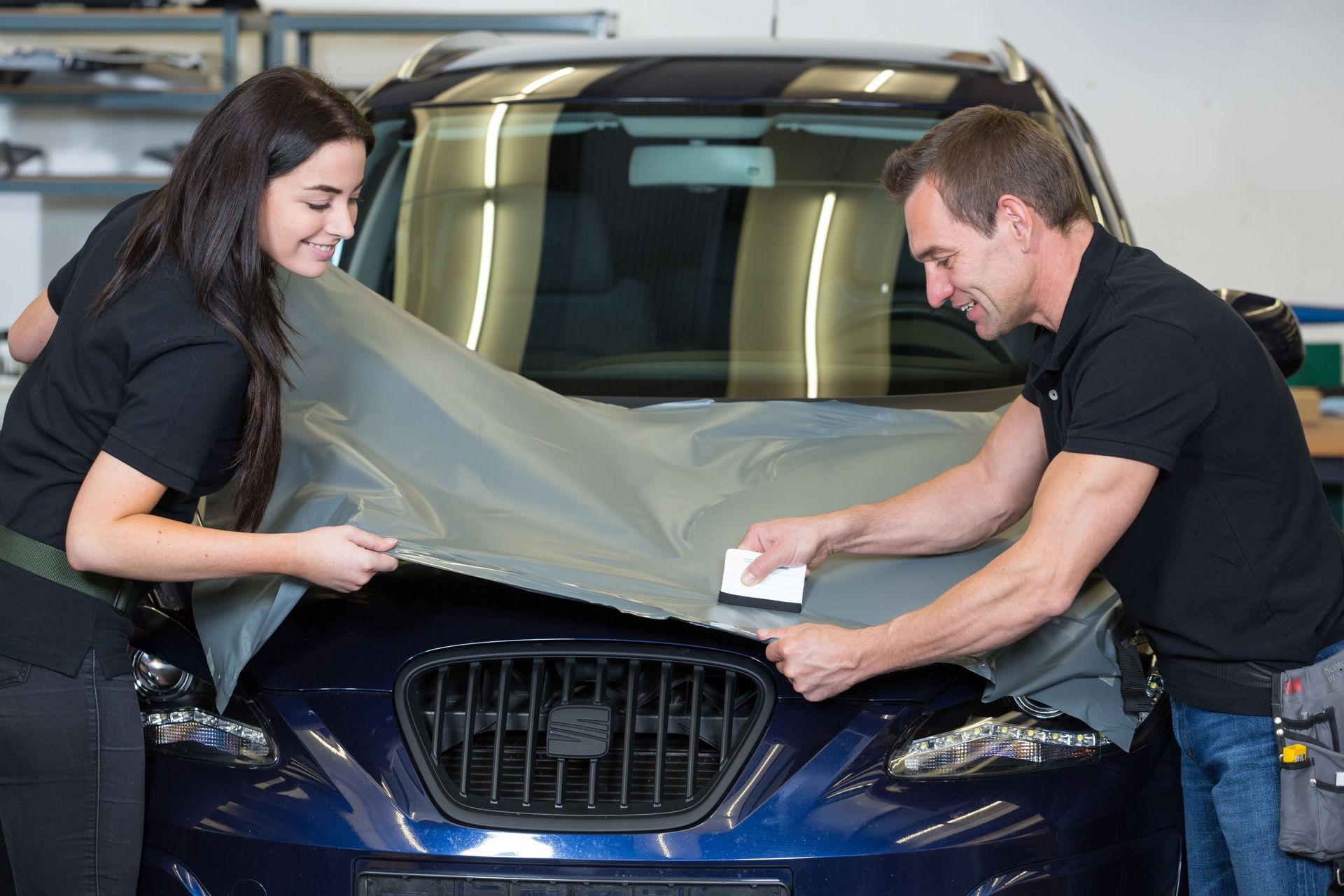
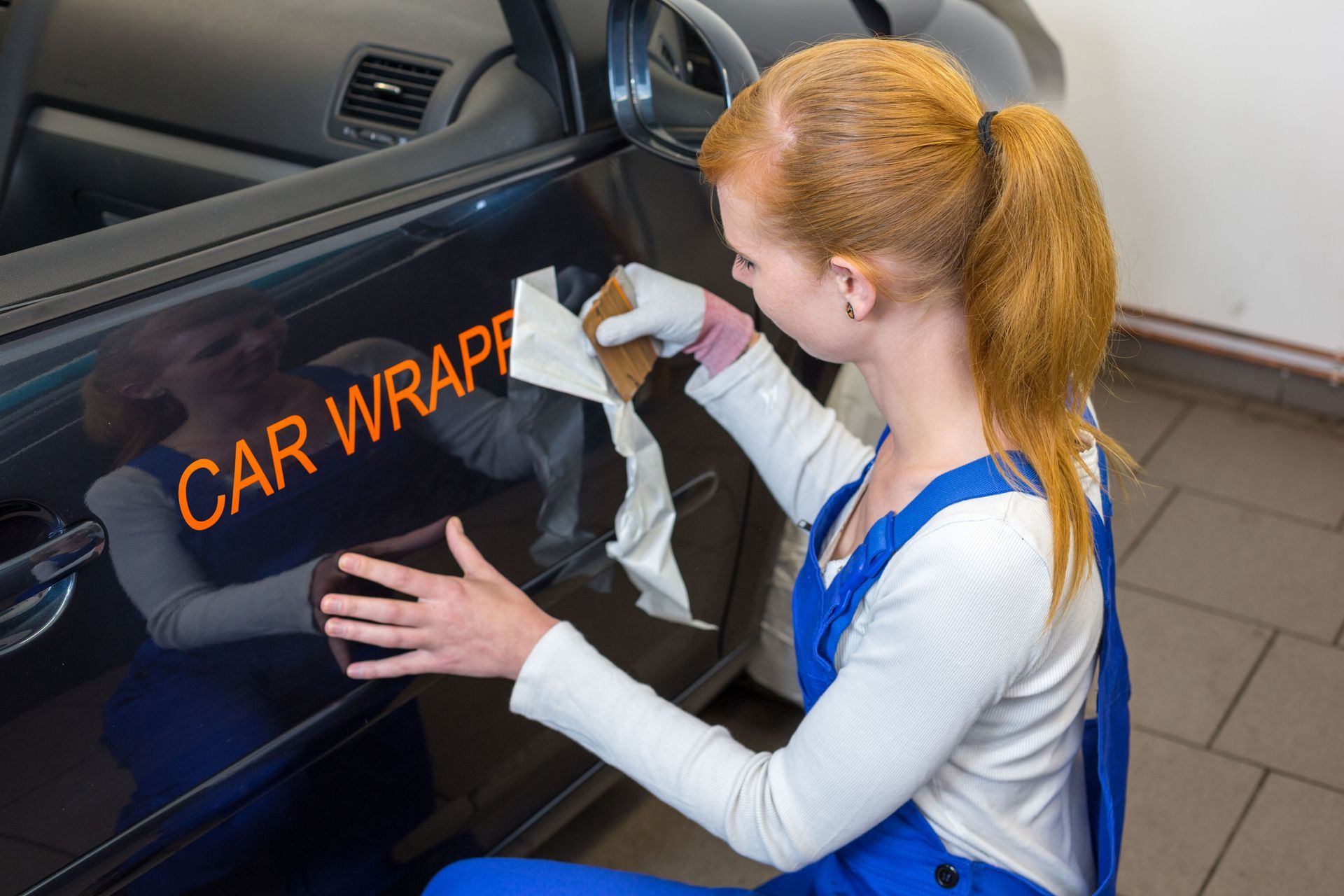
Car wrapping involves applying sheets of vinyl film over a vehicle’s exterior surfaces to change appearance and add protection. Skilled installers stretch, position, and squeegee the film to follow body contours while avoiding bubbles, creases, and misalignment. Because the wrap sits on top of the factory finish, it does not permanently alter the paint, and it can be removed later when you want to return to the original look.
Modern vinyl options go far beyond a simple color change. You can choose gloss, satin, matte, metallic, color-shifting finishes, or custom-printed graphics that create a one-of-a-kind design. For business use, wraps can support branding and advertising with photo-quality logos and layouts, turning a daily driver into a moving display without repainting the vehicle.
Wraps also offer practical benefits. The vinyl can help protect paint from minor abrasion, UV exposure, light road debris, and everyday grime. While it will not prevent all damage, it can reduce surface wear that gradually dulls a vehicle’s appearance, which may help maintain presentation and resale appeal.
Wrap Benefits and Ownership Goals
Car wraps are often chosen for the balance of aesthetics and protection. On the style side, wraps make it easy to experiment with bold colors or subtle finishes that would be costly or risky with paint. They also allow you to refresh a vehicle’s identity over time, especially if your tastes change or your branding evolves.
On the protection side, vinyl acts like a shield against common daily hazards such as small stone chips, mild scuffs, and environmental residue. Because quality vinyl is designed to resist fading, it can keep the vehicle looking consistent for years when properly cared for. If you like the idea of upgrading your look every few years, wraps make that approach far more manageable than repeated paintwork.
Before you choose a direction, define your primary goal: a full visual transformation, subtle detailing, brand visibility, or paint preservation. When you’re clear on that goal, it becomes easier to work with a car wrap service that can recommend materials and coverage that align with your priorities.
Vinyl Materials and Finish Selection
Material choice influences durability, appearance, and how well the film conforms to curves and edges. Cast vinyl is commonly used for full wraps because it tends to be thinner, more conformable, and more stable over time, which helps on complex vehicle shapes. Calendered vinyl is often more budget-friendly and can work well for flatter surfaces or shorter-term applications, though it may not perform as consistently on deep contours.
Specialty films, such as textured carbon-fiber looks or reflective options, can create standout accents and premium styling effects. These are often used for hoods, roofs, mirror caps, or trim details where contrast adds visual impact. Your preferred finish also matters because each finish shows wear differently; for example, high-gloss can highlight imperfections, while matte and satin can require more careful cleaning methods.
A knowledgeable car wrap service should explain how each vinyl type behaves on your specific vehicle and how your driving habits affect the best choice. This is where experience matters, because the “best” material is not just about price, but about fit, longevity, and real-world use.
Coverage Decisions
A major decision is whether to choose a full wrap or a partial wrap. A full wrap covers most exterior painted panels and creates a cohesive transformation with maximum visual impact. This option is popular for complete color changes and for business branding that needs high visibility from every angle.
Partial wraps focus on specific areas such as the hood, roof, doors, or rear panels. They can create a bold design by combining vinyl with the existing paint, often at a lower cost than full coverage. Partial wraps can also be a practical way to test a finish or style before committing to a full transformation later.
When comparing coverage options, think about your priorities: cost, visibility, protection, and design goals. In many cases, a partial wrap plus a few well-chosen accents can look intentional and premium while keeping the project within budget.
Longevity Expectations and Care Planning
Wrap lifespan depends on vinyl quality, installation skill, exposure to sun and weather, and how well the wrap is maintained. High-quality wraps installed correctly often last several years, but harsh conditions can shorten that lifespan. Frequent highway driving, intense UV exposure, heavy winter road treatments, and neglectful cleaning habits tend to accelerate wear.
Maintenance matters because the wrap’s surface is still exposed to the elements. Gentle washing with mild soap, soft microfiber tools, and careful drying helps preserve finish quality. Avoiding abrasive brushes and harsh chemicals reduces the risk of scratching and premature dulling, particularly on matte and satin finishes.
Plan where the vehicle will be parked and how you’ll keep it clean before you commit. When you match maintenance habits to the finish you choose, you’ll get better long-term results and a more consistent appearance.
Preference and Budget Alignment
Your style preferences should guide early design decisions. Start with color and finish, then consider whether you want a minimal look or a custom design with graphics, patterns, or branding elements. If you are using the vehicle for business visibility, prioritize legibility and clean layout choices that look good at a distance.
Budget should be approached as a balance of material quality, design complexity, and labor. Intricate designs, multiple panels of printed graphics, and challenging vehicle shapes can increase labor time and cost. If your budget is limited, a phased approach can work well: start with partial coverage or simpler styling, then expand later once you’ve seen how the wrap performs for you.
A reliable car wrap service will talk through practical options without pushing you into features you do not need. Transparent estimates, clear scope, and realistic expectations are usually signs of a provider who values long-term reputation over quick sales.
With clear goals, smart material choices, and a dependable car wrap service, you can achieve a finish that looks impressive and supports practical protection needs. Treat the project as a combination of design and craftsmanship, and you’ll be far more likely to love the result for years to come. Contact Steele Graphics today and learn more about our wrapping services.