March 5, 2026
Car wraps have become an integral part of the automotive customization and advertising industries. This innovative process of using a vinyl wrap to change or enhance a vehicle's appearance has transformed from a niche market into a mainstream trend. As car wraps grow in popularity, they provide an aesthetic and functional alternative to traditional paint jobs, offering both individuals and businesses a dynamic way to express creativity and promote their brands.
Understanding Car Wraps
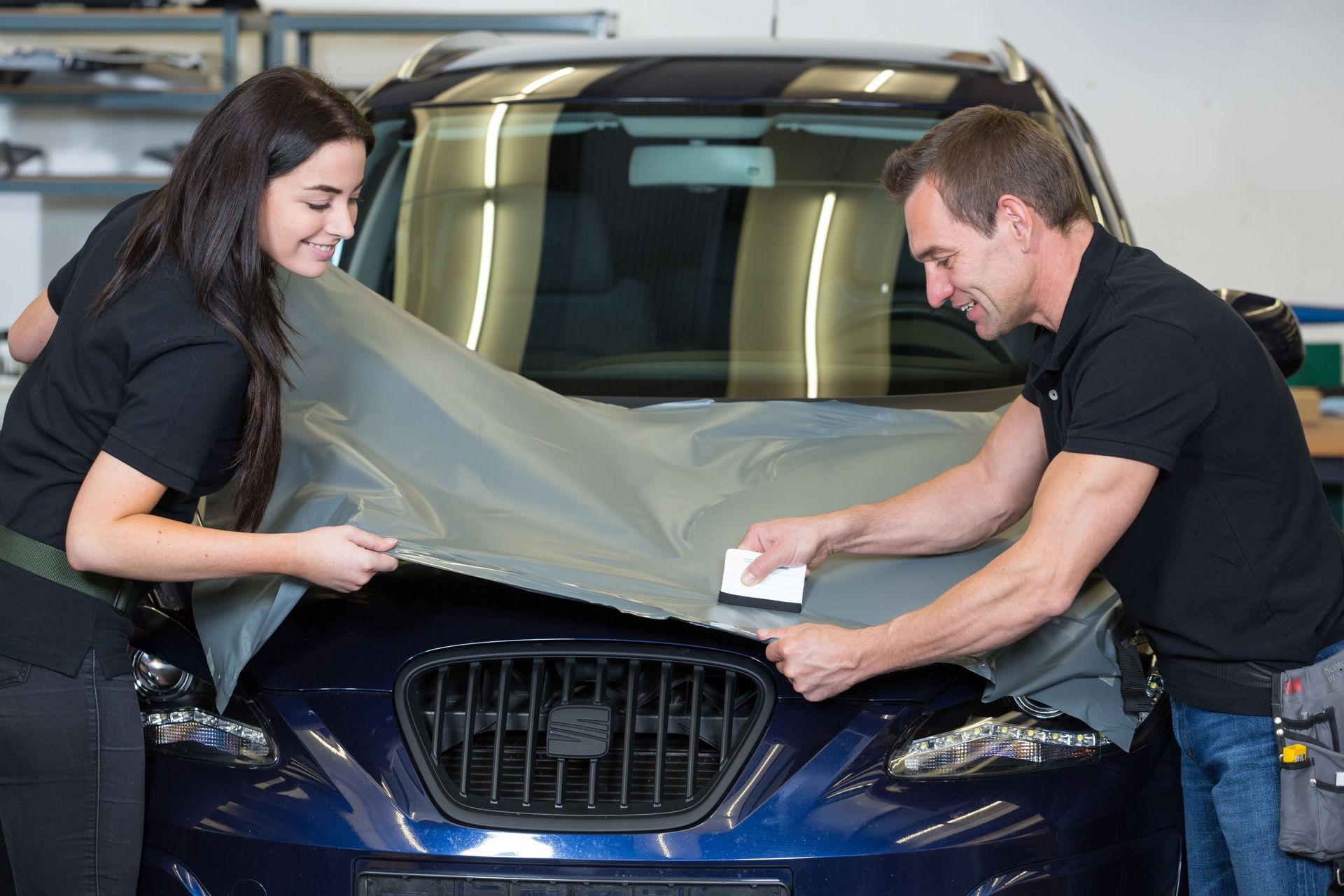
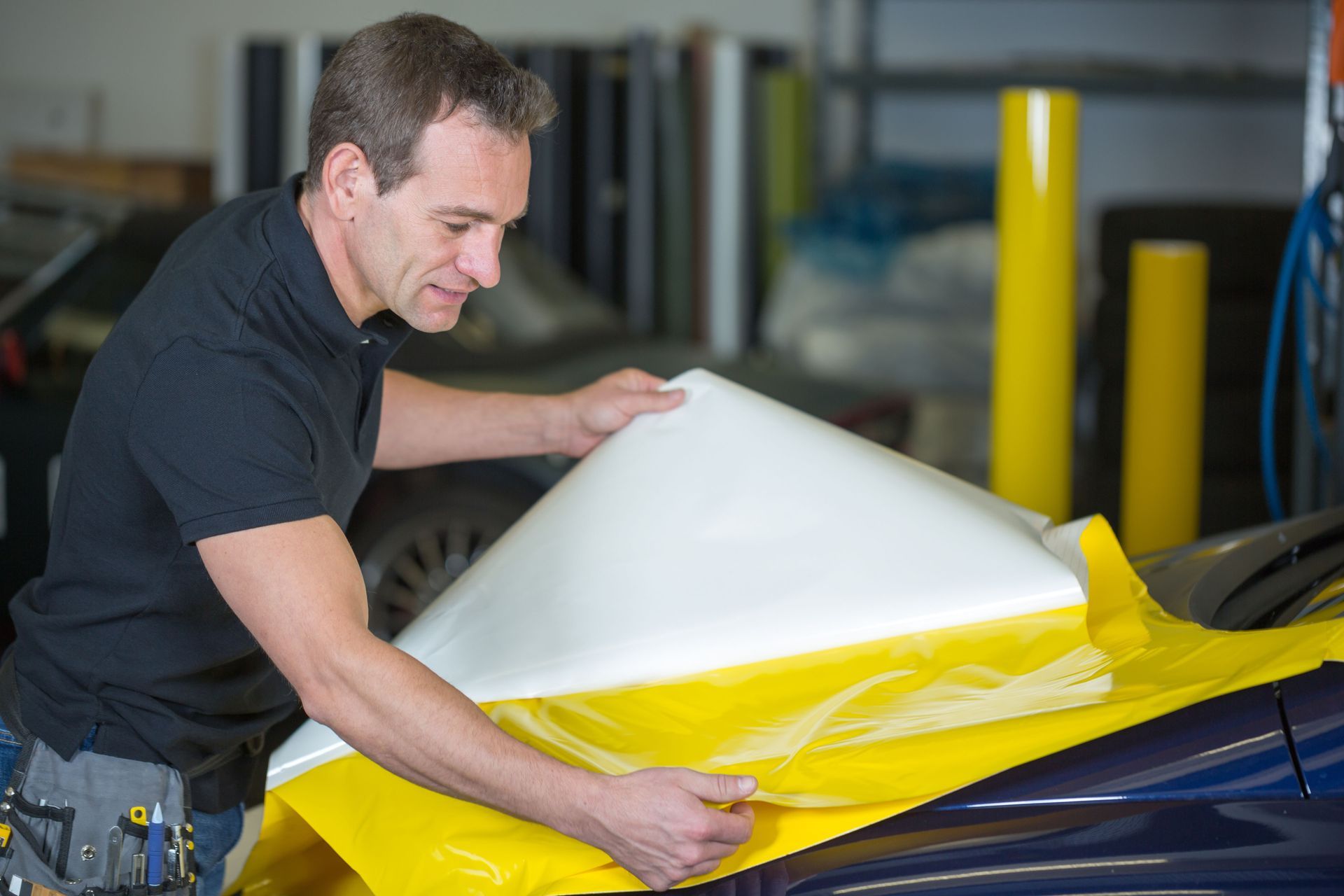
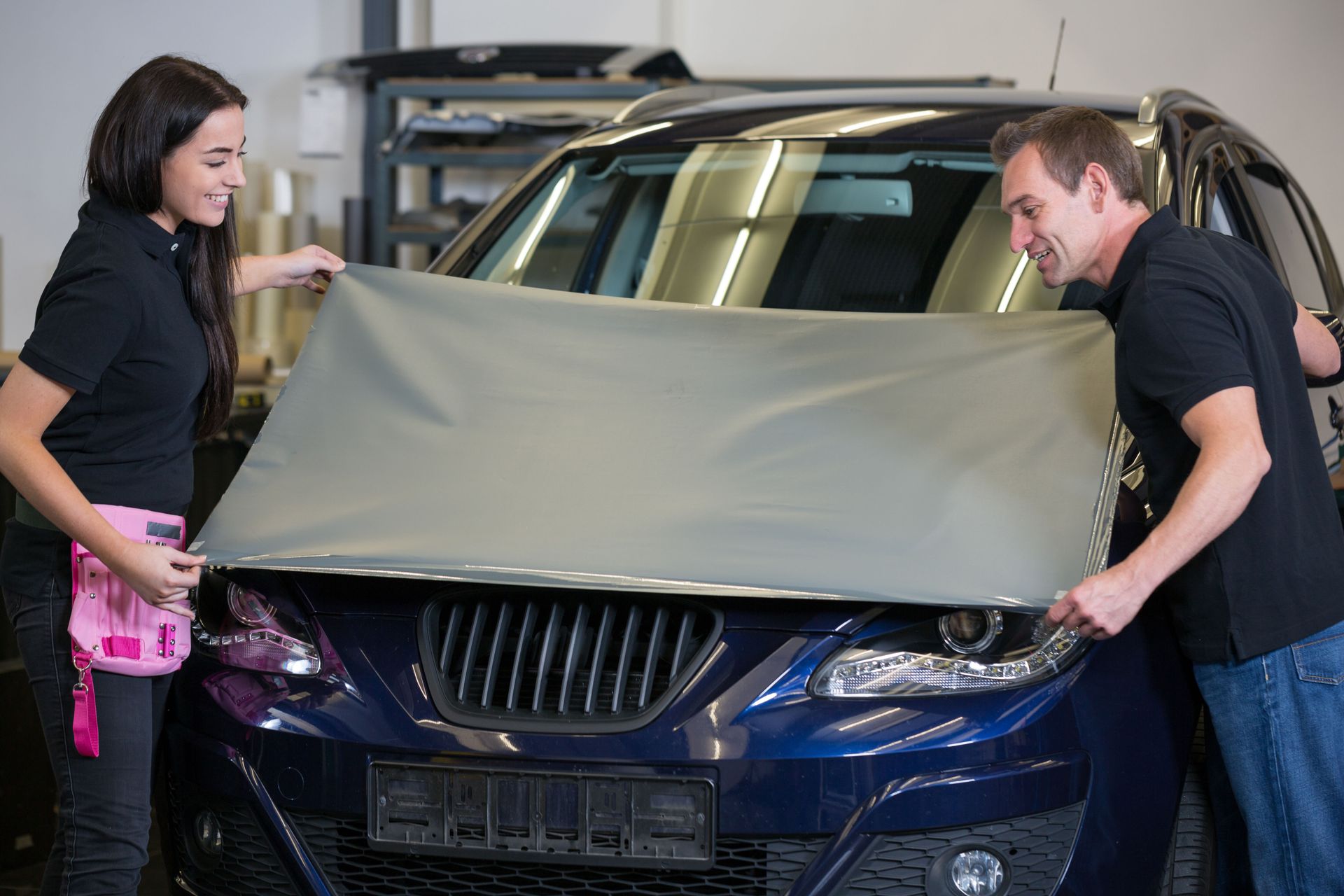
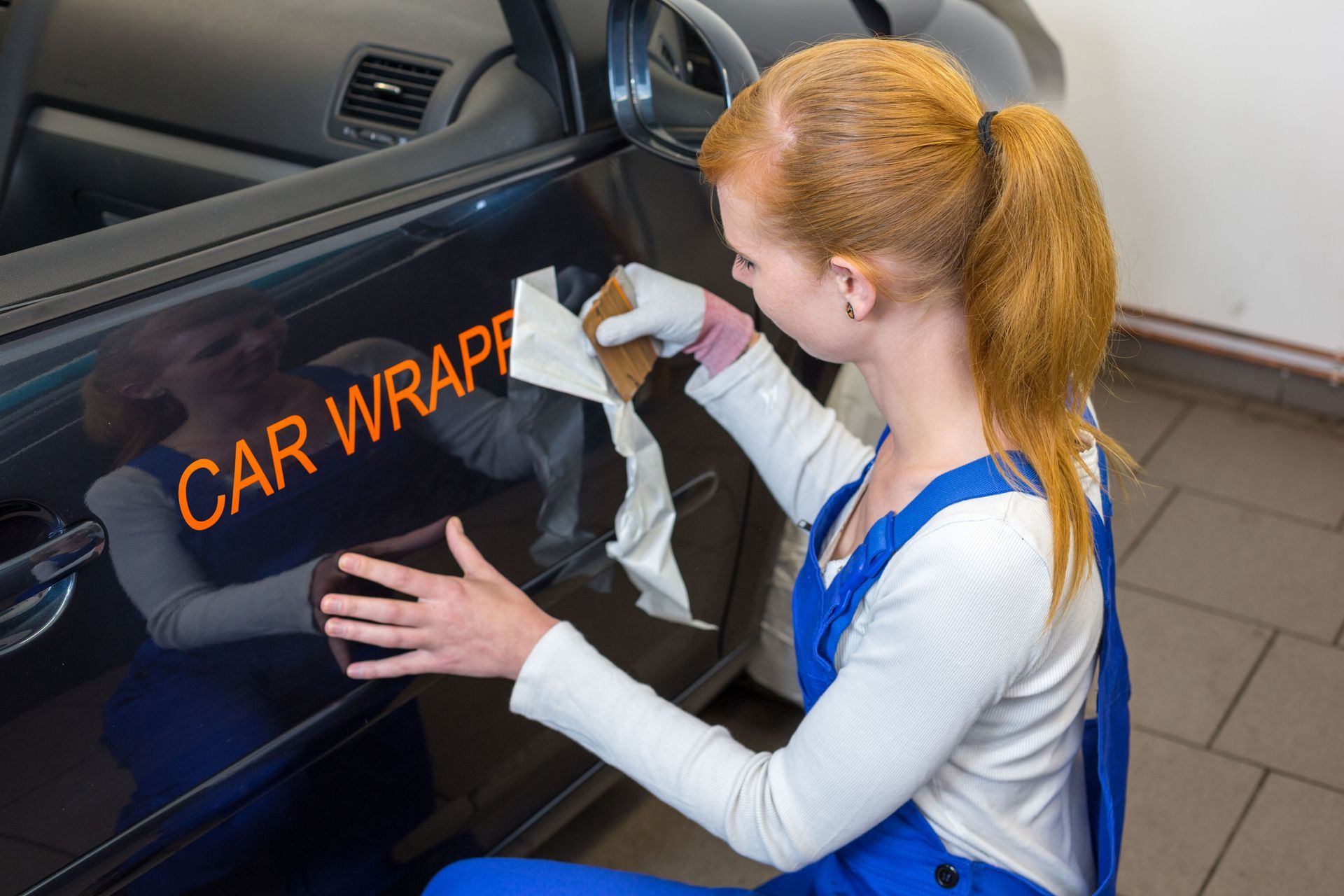
Car wraps are large vinyl decals that are applied directly over the original paint of a vehicle. These wraps can completely change the look of a vehicle, offering limitless possibilities in terms of color, design, and texture. They serve not just an aesthetic purpose, but also provide a protective layer, shielding the original paint from scratches and sun damage. One of the major appeals of car wraps is their flexibility and reversibility, making them ideal for both temporary branding and long-term design changes. The application of a car wrap can be as subtle or as bold as desired, depending on the intent.
The history of car wrapping dates back to the early 1900s, but it wasn't until the 1990s that the modern car wrap started gaining traction. Initially, wraps were primarily used for commercial purposes, such as advertising on buses and delivery trucks. This trend continued to grow as technology advanced and the cost of materials decreased, making car wraps more accessible to the general public. Over time, the industry has evolved, with today's wraps showcasing vibrant colors, intricate designs, and 3D effects that were once inconceivable. The evolution of car wraps has been marked by innovation, turning functional solutions into creative expressions.
There are several types of car wraps tailored to different needs and preferences. Full wraps cover the entire vehicle, offering a complete transformation in terms of color and design. Partial wraps target specific areas, such as the hood, roof, or doors, allowing for customization while keeping costs lower. Custom wraps are specifically designed for branding or artistic purposes, integrating graphics and text to meet precise specifications. Each type of wrap has its own set of advantages, catering to different objectives, whether it's for personal satisfaction, commercial advertising, or protection.
The primary material used in car wraps is vinyl, which is valued for its durability, flexibility, and appearance. Vinyl wraps have advanced significantly, now offering options such as gloss, matte, satin, carbon fiber, and chrome finishes. High-quality vinyl can last five to seven years, depending on usage and maintenance, making it a reliable choice for long-term applications. Specialized wraps, such as those with metallic or holographic effects, add an extra dimension to a vehicle's appearance, offering more vivid colors and unique finishes. The choice of vinyl is crucial, as it determines the wrap's longevity, visual appeal, and ease of application.
Car wraps offer numerous advantages over traditional paint jobs. They are a more affordable option, typically costing less than a full repaint and allowing for great versatility in design without permanent commitment. Wraps also act as a protective cover for the car's paint, guarding against minor abrasions, UV damage, and weather-related wear. Furthermore, they are relatively easy to remove, restoring the vehicle to its original condition without leaving damaging residues. According to IFSigns, 95% of Americans have been reached by vehicle wrap advertisements, illustrating their effectiveness as a marketing tool on top of their aesthetic benefits.
Choosing the Right Car Wrap
Choosing the right car wrap begins with thoroughly assessing your needs and personal preferences. Consider the primary purpose for the wrap: is it for personal expression, brand promotion, or protection? Assess your lifestyle, driving habits, and the image you wish to project. Some car owners look for understated elegance, while others desire bold and attention-grabbing designs. Identifying these factors helps narrow down the choices, ensuring that the selected wrap fulfills both functional requirements and personal tastes.
Design options for car wraps are virtually limitless, allowing individuals to experiment with colors, patterns, and graphics. Collaborate with a designer or a wrap company to develop a concept that meets your vision. Technology now offers high-resolution prints and complex graphic designs that can be tailored precisely to a vehicle's specifications. Digital rendering tools can assist in visualizing different designs before making a final decision. Exploring a variety of designs ensures a balanced blend of creativity and personalization, resulting in a wrap that stands out.
The selection of colors and finishes is a vital aspect of car wrapping due to its profound impact on the vehicle's final look. Finishes range from high gloss, which simulates the appearance of a freshly painted car, to matte, providing a more subdued, urban aesthetic. Satin is a middle ground, offering the sheen of gloss with the smooth appeal of matte. Consider color psychology and how it resonates with your personality or brand identity. Color choices can evoke specific emotions, and a well-chosen finish can emphasize the wrap's overall effect.
Customization is one of the key attractions of car wraps, providing the freedom to personalize every aspect of the vehicle's appearance. Unique patterns, company logos, brand messages, or complex artistic designs can be applied to the wrap, reflecting the owner's style or corporate identity. Customization goes beyond aesthetics; functional elements such as reflective materials can enhance safety, while anti-graffiti coatings can improve durability. The level of customization achievable with car wraps is unparalleled, transforming any vehicle into a one-of-a-kind manifestation of creativity and individuality.
Budget is a significant factor when selecting a car wrap, as costs can vary widely based on material, complexity, and labor. Full wraps are generally more expensive than partial wraps but offer complete coverage and impact. It's important to obtain quotes from multiple providers, weighing factors such as material quality, warranty, and experience. While cheaper alternatives may be appealing, investing in high-quality wraps can save money in the long run by avoiding frequent replacements. Carefully budgeting ensures that you attain the desired visual outcome without compromising on quality or durability.
Maintaining Your Car Wrap
Proper care of your car wrap is essential to maintain its appearance and longevity. Hand washing using a mild detergent is recommended over automatic car washes, which can damage the vinyl. Use a soft cloth or sponge to scrub gently, avoiding abrasive materials that can scratch the surface. Keeping the vehicle clean prevents dirt from embedding in the wrap, preserving its color and luster. Regular maintenance not only enhances visual appeal but extends the wrap's lifespan significantly.
Several common mistakes can compromise the integrity of a car wrap, diminishing its effectiveness and lifespan. Avoid parking in direct sunlight for extended periods, as UV rays can cause fading. Refrain from using harsh chemicals or cleaners, which can deteriorate the wrap material. Be cautious when using high-pressure washers, as the force can lift edges or seams. Awareness and avoidance of these common pitfalls ensure that your wrap remains vibrant and intact for its intended duration.
Inevitable wear and tear may necessitate the repair or replacement of sections of a car wrap. Minor damages, such as scratches or peeling edges, can often be addressed with patch repairs by a professional. For more significant damage or degradation, complete reapplication may be necessary. Engage with your installer to determine the best course of action, considering factors such as cost, material availability, and warranty coverage. Proactive repair and replacement strategies ensure the wrap remains visually stunning and structurally sound.
Several strategies can help extend the lifespan of a car wrap, maximizing your investment. Using wrap-safe protectants, such as spray wax, provides an additional layer of UV protection and shine. Reducing exposure to extreme weather conditions, pollutants, and debris can also protect the wrap's integrity. Routinely inspecting the wrap for early signs of wear allows for timely interventions. Implementing these measures effectively extends the lifespan of your wrap, maintaining its appearance for years.
By offering unique aesthetics, protective benefits, and efficient advertising means, wraps redefine traditional automotive customization and marketing strategies. Whether for personal investment or corporate branding, car wraps continue to revolutionize how we approach vehicle personalization and promotion. If you're looking for expert wrap solutions for your car, reach out to Steele Graphics today.